 11, Nov
Crypto Mining Risks: What Every Beginner Should Know?
Crypto Mining Risks: What Every Beginner Should Know
Cryptocurrency mining can be an interesting way to participate in blockchain networks, but it also involves several technical, financial, and operational risks. Whether you are considering traditional mining or cloud mining, understanding these risks is important before committing money or relying on mining activity as a source of income.
Mining results can change over time because cryptocurrency prices, network difficulty, electricity costs, hardware performance, fees, and other conditions are constantly changing. There is no fixed outcome, and past mining performance does not guarantee future results.
Why Understanding Mining Risk Matters
Mining involves more than simply providing computing power and receiving cryptocurrency. Behind every mining operation are hardware, electricity, network conditions, maintenance requirements, fees, security systems, and market conditions.
For cloud mining, there is another important factor: the service provider. Instead of operating the mining equipment yourself, you depend on a company or platform to provide the infrastructure and calculate or distribute mining results according to its terms.
Understanding these factors can help beginners make more informed decisions and recognize unrealistic or misleading claims.
1. Cryptocurrency Price Volatility
One of the most obvious risks associated with cryptocurrency mining is price volatility.
The cryptocurrency generated through mining can change significantly in value. Even if a mining operation produces a consistent amount of cryptocurrency, the value of those rewards in a user's local currency can rise or fall depending on market conditions.
For example, a change in the market price of a mined cryptocurrency can affect the overall economics of a mining operation without any change to the mining hardware itself.
This means mining performance and cryptocurrency value are two different things.
2. Mining Difficulty and Network Competition
Mining networks can become more competitive as additional computing power joins the network.
Mining difficulty is designed to adjust according to network conditions. When competition increases, the amount of computational work required to participate in the mining process can change.
As a result, the same amount of computing power may not produce the same mining results indefinitely.
This is particularly important when evaluating long-term mining estimates. A calculation based on today's network conditions may look different in the future.
3. Electricity and Operating Costs
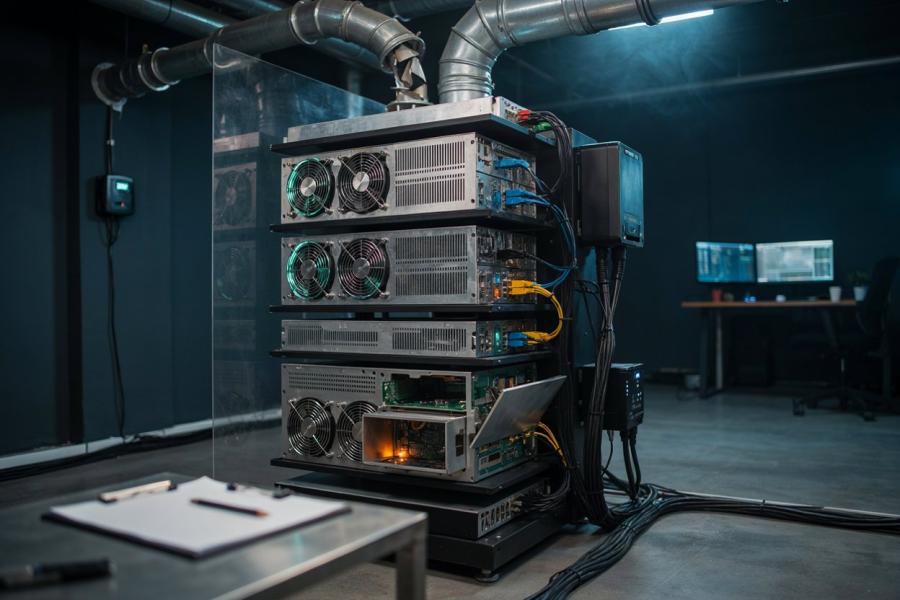
Traditional mining operations require electricity to run specialized hardware and cooling systems.
Electricity costs can represent a significant portion of mining expenses. Mining hardware can operate continuously and generate substantial heat, requiring additional cooling and ventilation.
Other operating costs may include:
Hardware maintenance
Internet connectivity
Cooling equipment
Facility expenses
Replacement components
Repairs
Monitoring systems
Cloud mining users may not directly pay an electricity bill, but electricity and infrastructure costs can still be reflected in the service's pricing, fees, or mining terms.
4. Hardware Failure and Downtime
Mining hardware operates under demanding conditions. Continuous operation, heat, dust, electrical problems, and component wear can affect equipment performance.
Hardware problems can lead to downtime, reduced computing capacity, or additional maintenance expenses.
For traditional miners, the responsibility for repairs and replacement normally falls on the equipment owner.
For cloud mining users, the provider generally manages the physical equipment, but users should still understand what happens to their mining activity when equipment experiences maintenance or downtime.
5. Infrastructure and Technical Risks
Mining operations depend on more than mining machines.
A professional facility may require:
Stable electricity
Cooling systems
Network connectivity
Monitoring equipment
Physical security
Hardware management
Backup systems
Technical personnel
A problem with any important part of the infrastructure can affect mining operations.
For this reason, a mining service should be evaluated not only by its advertised computing power but also by the quality and transparency of its underlying infrastructure.
6. Cloud Mining Provider Risk
Cloud mining introduces an additional consideration because the user is relying on another party to operate the mining infrastructure.
This creates what can be described as counterparty or provider risk.
Before using a cloud mining service, users should consider whether the provider clearly explains:
Where the mining infrastructure is located
What hardware is being used
How computing power is measured
How mining rewards are calculated
What fees are charged
How maintenance is handled
What happens during downtime
How withdrawals work
What the contract actually provides
A professional service should provide understandable information rather than relying entirely on marketing claims.
7. Contract Terms and Fees
Cloud mining contracts can contain conditions that significantly affect the actual experience of a user.
Important terms may include contract duration, maintenance fees, service charges, minimum withdrawal requirements, supported cryptocurrencies, payout schedules, and conditions under which mining activity may be suspended.
A low advertised price does not necessarily mean a plan is inexpensive overall.
Users should evaluate the complete cost structure rather than focusing on a single number.
8. Withdrawal and Liquidity Conditions
Mining rewards may be subject to minimum withdrawal amounts, network transaction fees, processing times, or other conditions.
These rules should be clearly explained before a user commits funds.
A transparent platform should make its withdrawal requirements easy to understand instead of revealing important conditions only after registration or payment.
Users should also remember that cryptocurrency transactions can involve blockchain network fees and processing delays.
9. Account and Security Risks
Like other online financial and cryptocurrency services, cloud mining platforms can face cybersecurity threats.
Users should protect their accounts with strong, unique passwords and, where available, multi-factor authentication.
They should also be cautious about:
Fake login pages
Phishing messages
Suspicious links
Impersonation accounts
Requests for private keys
Unverified payment instructions
Unusual account activity
A legitimate service should never require users to disclose sensitive wallet credentials such as a private key or seed phrase.
10. Regulatory and Legal Considerations
Cryptocurrency regulations can differ significantly between countries and can change over time.
Depending on the user's location, cryptocurrency mining, digital-asset transactions, taxation, investment services, or related activities may be subject to specific legal or regulatory requirements.
Users should check the laws and regulations applicable to their own country before participating.
A cloud mining service should also communicate clearly about its business structure, applicable terms, and any relevant restrictions.
11. Environmental and Energy Considerations
Cryptocurrency mining can consume substantial amounts of electricity, particularly when large quantities of specialized hardware operate continuously.
The environmental impact can depend on factors such as:
Energy efficiency of mining hardware
Electricity source
Cooling requirements
Facility design
Hardware utilization
Local energy infrastructure
Understanding energy consumption is therefore relevant when evaluating the technical and operational side of mining.
How Beginners Can Evaluate Mining Risk
Beginners do not need to understand every technical detail immediately, but they should ask several basic questions before committing funds.
Consider:
What exactly am I purchasing?
Understand whether you are purchasing computing power, renting hardware capacity, entering a contract, or using another type of service.
How are mining results calculated?
Look for a clear explanation rather than relying on a headline figure.
What fees apply?
Review maintenance, withdrawal, network, service, and other applicable charges.
What happens if mining conditions change?
Mining difficulty, cryptocurrency prices, and network conditions can change.
What happens during downtime?
Understand how maintenance and hardware interruptions affect the service.
Can I verify the provider's information?
Look for transparent information about infrastructure, company operations, terms, and support.
Red Flags Beginners Should Watch For
Certain claims should receive additional scrutiny.
Be cautious of services that:
Guarantee a fixed return from cryptocurrency mining
Promise unusually high or risk-free profits
Refuse to explain how mining rewards are calculated
Hide important fees or contract conditions
Provide no meaningful information about their infrastructure
Pressure users to deposit money quickly
Make unrealistic claims about guaranteed cryptocurrency prices
Use fake testimonials or unverifiable performance claims
Make withdrawals unnecessarily difficult or unclear
A transparent mining service should explain both the potential benefits and the risks.
A Better Way to Think About Mining
Instead of asking only, “How much can I make?”, beginners should also ask:
“What could cause the result to change?”
This approach provides a more realistic understanding of cryptocurrency mining.
Mining economics can be affected by cryptocurrency prices, network difficulty, computing efficiency, electricity costs, service fees, infrastructure performance, and provider policies.
Understanding these variables is more useful than relying on a single estimated return.
Final Thoughts
Crypto mining is a technology-driven activity that involves real infrastructure, computational resources, operating expenses, and changing blockchain conditions.
Cloud mining can make access to mining infrastructure more convenient, but it does not eliminate the risks associated with cryptocurrency markets, network difficulty, provider reliability, contract terms, or cybersecurity.
Before using any mining service, take time to understand exactly what the service provides, how mining results are calculated, what fees apply, and what could cause those results to change.
The most important principle for beginners is simple: understand the risks before committing funds.
Share On
Latest Blog

Cloud Mining FAQ: 15 Questions Beginners...
11 November, 2022
How to Start With Cloud Mining: A Beginn...
11 November, 2022
Understanding Hashrate, Mining Difficult...
11 November, 2022
Bitcoin Mining Explained: How Mining Act...
11 November, 2022